
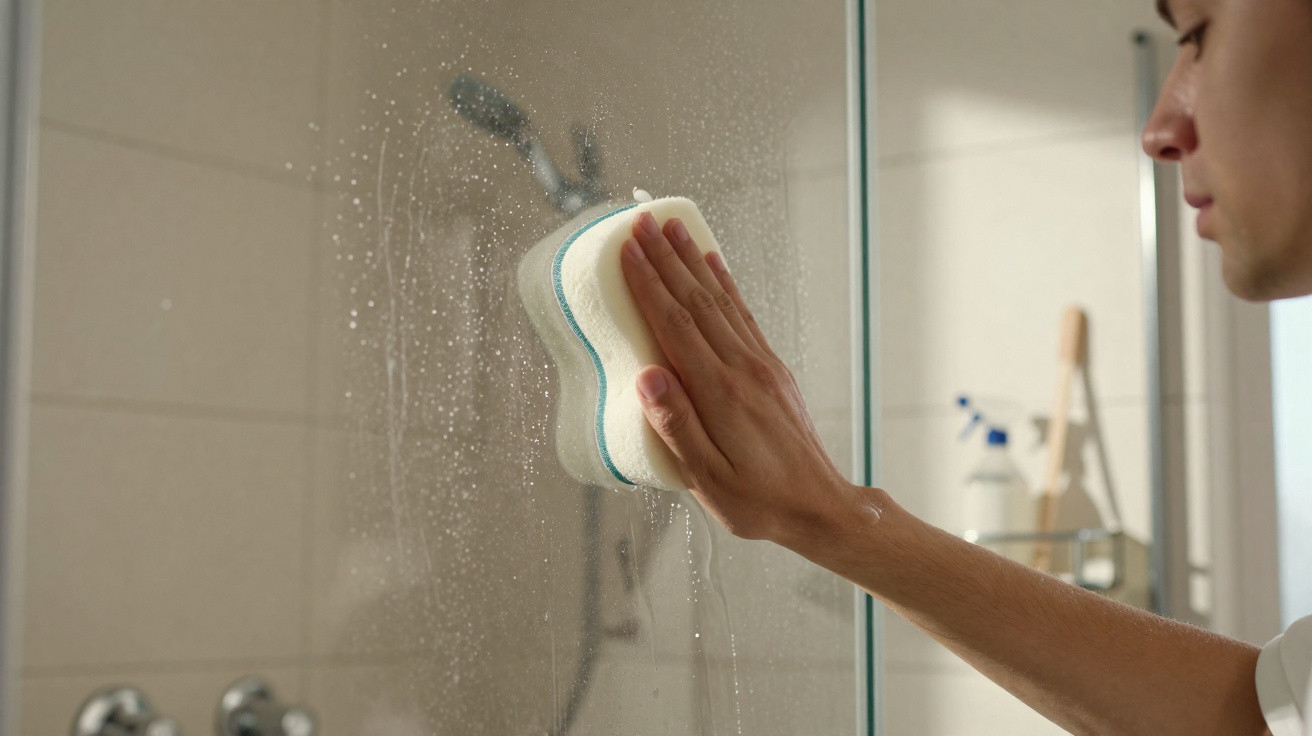
Why hotel showers stay clear while ours give up
Há um pormenor quase invisível por trás daquele “brilho de hotel” na casa de banho: não é um spray milagroso nem um produto caro. É um hábito pequeno, repetido com consistência, e uma ferramenta simples que muita gente tem em casa sem lhe ligar.
Basta passar uma noite num bom hotel para reparar no contraste: vidro transparente, sem cheiro a humidade, sem manchas esbranquiçadas. Em casa, o resguardo do duche começa a ficar baço, surgem marcas e, quando damos por isso, limpar vira aquela tarefa de fim de semana que ninguém quer. A diferença raramente está em químicos mais fortes - está numa rotina mais esperta e num material muito básico.
A shower is more chemistry lab than spa. Hard water, soap, shampoo, conditioner, skin oils and steam meet warm glass and tile. Together they form a film that first shimmers, then turns milky, and finally dries into that stubborn grey veil that seems to resist every spray bottle.
In private homes, that film sits for days. People rush out of the bathroom, leave the door closed, skip the squeegee. Humidity lingers, limescale hardens and a thin biofilm of microbes and soap scum starts to build. It smells musty faster than many expect, especially in small, poorly ventilated rooms.
Hotel teams do not wait for dirt to look dramatic. They interrupt the film before it hardens, so cleaning never becomes a battle.
Professional housekeepers work with a clear strategy: airflow, timing, and tools that remove deposits at the microscopic level. Where many households reach for a stronger cleaner, hotels rely on a quiet workhorse known from stationery aisles rather than cleaning shelves: the melamine sponge, often sold as a “magic eraser”.
The material behind the “magic”: melamine foam
Melamine foam looks like a simple white block. Under a microscope, it reveals a dense, hard, open-cell structure. That structure makes the foam behave a bit like ultra-fine sandpaper. It removes deposits mechanically, without the harsh, gritty feel of a traditional scourer.
On shower glass, this micro-abrasion targets:
- limescale rings from hard water
- soap scum and conditioner residue
- greasy fingerprints and skin oils
- fine grime that smears under normal cloths
Used with gentle pressure and plenty of water, the foam works on the outer “edges” of the film rather than biting into the glass. That’s why hotel glass looks simply “new” instead of looking like it was aggressively scrubbed. The sponge does the detailed lifting, so staff can work fast and avoid heavy chemicals.
Melamine foam cleans by physical micro-scraping, not by harsh solvents. That shift from chemistry to texture changes the whole routine.
How the hotel trick works at home
Step-by-step routine that fits into daily life
The method is almost too simple - and that’s exactly the point. Instead of planning a big deep-clean, you slot it into the way you already use the shower:
Used two or three times a week, this keeps the film “young”, so each pass stays quick and gentle. Forget the cleaning marathon; lean on repetition.
Where to be careful
Melamine foam feels soft in the hand, but it behaves like a micro-abrasive. So the first rule is to test before going all in. Surfaces that often need extra caution include:
- high-gloss acrylic tubs and trays
- decorative plastic trims
- delicate coated shower glass (often marked as “easy-clean”)
- natural stone such as marble or limestone
- mirror surfaces with fragile backing at the edges
On these, use light pressure on a small hidden spot and stop if you notice any dulling. Always use the sponge wet. Using it dry increases friction and can leave visible matting, especially on shiny plastics.
Check the surface before you commit. A 10-second test patch is cheaper than a replacement panel.
What cleaning pros actually use
Behind the scenes, hotel housekeeping focuses on reliable results rather than fancy products. Their kits are usually simple and practical. A typical “clear glass” set might look like this:
| Tool | Main role |
|---|---|
| Melamine sponge | Micro-removal of soap scum and limescale film |
| Microfibre cloth | Drying edges, polishing metal and taps |
| Squeegee | Fast removal of rinse water from glass panels |
| Mild all-purpose cleaner | Handles general dirt on tiles, floor and handles |
| Descaler (sparingly) | Targeted treatment for heavy limescale on fittings |
That balance also matters for the air you breathe indoors. Strong bathroom cleaners can release irritating fumes, especially in a small, steamy space. More mechanical cleaning with foam and cloth means less need for aggressive chemicals and can make life easier for people with asthma or allergies.
Turning hotel tricks into home habits
Micro-rituals that keep the screen clear
Most bathroom-cleaning plans collapse because they depend on weekend motivation. Housekeepers win by making the task tiny and attaching it to moments that already exist. The same idea works in an apartment or a family home.
Three simple habit anchors help:
- keep the sponge visible: Store it on the tub edge or a small shelf, not in a cupboard.
- pair it with an action: Use the sponge during the last minute under the warm water.
- leave the door open: Prop the bathroom door after showering to let moisture escape faster.
Those small steps reduce drying time, slow mould growth in grout lines and stop the glass from “aging” into that permanent haze that feels impossible to shift.
What hard water does to your shower
In many UK and US regions, hard water quietly does most of the damage. Minerals such as calcium and magnesium embed into the film and crystallise as the water evaporates. The result is that chalky pattern of dots and vertical runs many people know from kettle elements and taps.
Where water is especially hard, limescale can reach a point where melamine foam alone struggles. Then, an occasional descaling session helps: a mild citric-acid solution on glass and ceramic tiles, left for a few minutes and rinsed well. Keep acids away from marble, limestone and some metal finishes, which can etch or tarnish.
Think of limescale like dental plaque for your bathroom. Daily “brushing” with gentle tools beats rare, aggressive treatments.
Beyond the glass: wider gains from a clearer shower
A clean shower screen changes more than just the look. Clear glass bounces light back into the room, which can make a small bathroom feel bigger and less “fechado”. That extra brightness may also help reduce mould, because darker corners tend to stay damp longer.
There’s also a safety benefit. Film and residue can make floors and trays more slippery. Regular mechanical cleaning improves grip, especially near drains where shampoo and gel collect. Families with young children or older relatives often benefit from that quiet, almost invisible upgrade.
Energy use enters the picture too. Relying less on heavy sprays means fewer plastic bottles, fewer chemicals down the drain and less transport of water-heavy products. A pack of melamine sponges weighs very little and can replace several different cleaners over its lifetime.
For people who rent, the hotel trick is also a way to prevent build-up early. Landlords pay close attention to bathrooms during check-out inspections. Glass etched with old limescale films can look “dirty” even after scrubbing. Starting a gentle, regular routine sooner keeps surfaces closer to original condition - useful when every mark gets photographed.
The same approach extends beyond the bathroom. The soft-but-firm foam can lift marks from light switches, door frames, fridge handles and wall scuffs - always with a quick test patch first. One small block, used carefully, helps slow the quiet accumulation of wear that can make a home look more tired than it really is.





Comentários
Ainda não há comentários. Seja o primeiro!
Deixar um comentário